The first kitchen fire I ever investigated started with a perfect omelet. The chef ran a slammed brunch, grease popping like confetti, and the hood pulled everything up and away like it should. Except the grease vapors did not disappear. They condensed in the duct, built into a glossy varnish, then met a flare from a flambé and lit off like a wick. Sprinklers saved the day, but the dining room stayed closed for weeks. The insurance adjuster pointed at one line on the logbook: last duct cleaning, 14 months prior. The standard said quarterly.
That is the quiet math of fire risk in commercial ducts. They do their job so well you forget they are there, until the residue inside becomes fuel.
How fires actually start in ducts
Grease, lint, and dust are not passive passengers. They change the internal physics of a duct system, and they change your risk. Grease vapor from cooking rides the airstream up through the hood filters. Some of it condenses on the relatively cooler metal of the hood plenum and the first few feet of duct. The heavier fractions settle as a sticky layer, easily ignited by a flame front, overheated appliance, or an ember. In a laundry exhaust, lint behaves like tinder, and a seized dryer bearing can provide the spark. In general HVAC, dust accumulates on coils and inside ducts, and a motor failure, belt friction, or electrical fault can be an ignition source, especially when coupled with stagnant pockets of fluff.
Once ignition happens, geometry takes over. A duct is a flue, vertical runs pull flame upward, and elbows create hot spots where residue bakes. If dampers stick or access panels leak, you can also route smoke into occupied areas. Fire does not need to reach a combustible roof to cause real damage, either. A hot grease fire will warp thin duct steel and compromise hangers, and it will cook gaskets and insulation. The recovery clock starts the moment the fire department leaves, and it does not run cheap.
Regulators and insurers know this story well. Codes like NFPA 96, which governs ventilation control and fire protection of commercial cooking operations, exist because failure to clean hoods and ducts shows up again and again in the root causes of restaurant fires. For general HVAC, NFPA 90A speaks to construction and installation to limit the spread of fire and smoke. Neither code turns a blind eye to maintenance.
Where the risk hides in plain sight
Restaurants are the obvious candidates. Any operation that uses fryers, griddles, charbroilers, or woks will load grease into a system fast. Wood and solid fuel cooking, including pizza ovens and smokers, accelerates the problem since soot and embers add to the mix. The first elbow above the hood is often the dirtiest spot, but long horizontal runs over dining rooms are a close second.
Hotels and multi family properties stack risk in their laundry rooms. Lint bypasses screens, clings to booster fan housings, and collects in roof caps. A jammed backdraft damper can hold lint like a nest. I have pulled out chunks the size of a small pillow from rooftop terminations.
Manufacturing and food processing bring their own hazards. Fine powders from spices, flour, or sugar are combustible dusts. Inside a duct, the right mixture of dust and air can be explosible, placing you under NFPA 652 or sector standards. The remedy starts with housekeeping, then process ventilation, then cleaning, in that order. But if you already have powder building in ducts, commercial duct cleaning is not just cosmetic, it is part of your hazard control plan.
Office towers are not free of risk either. Extended vertical shafts, mixing boxes, and concealed returns accumulate layers of dust over years. An old V belt that slips and overheats inside a return plenum does not ask whether you run a restaurant downstairs. Fire and smoke spread fast through shared air paths.
What good looks like under the codes
Kitchen grease ducts live by NFPA 96. The core of that standard, translated into plain terms, says: keep grease to a minimum by cleaning the entire exhaust system from the hood to the fan discharge, to bare metal when practical. Frequency depends on your cooking load. High volume operations, like 24 hour diners or places that fry all day, usually land on quarterly. Wood or solid fuel systems are more frequent, often monthly. Low volume operations, like seasonal snack bars, might qualify for semiannual. Your local authority having jurisdiction, the AHJ, can tighten those schedules, and many do after a couple of dirty inspections.
HVAC ducts and air handlers are not treated like grease systems, but NFPA 90A and industry best practices, like those from NADCA, frame what safe looks like. You want clean coils and blowers, no loose debris that can migrate to occupied spaces, fire and smoke dampers that move freely, and access that is tight and properly sealed. When linings are friable or damaged, you repair or replace, not scrub them into failure.
Good cleaning is a controlled process. Negative pressure, proper collection, and verified cleanliness matter as much as shiny metal. If someone hands you a tag without before and after photos, or you do not see any new access covers where you knew there were none, odds are you bought more certificate than cleaning.
The step by step anatomy of a proper service visit
No two buildings are the same, but a competent contractor follows a disciplined sequence. Here is the skeleton you should recognize when you walk the job with them:
- Scope and isolate: survey the run, verify access, lock out relevant equipment, and protect adjacent surfaces, cooking equipment, coils, and electronics with plastic and fire resistant covers. Establish capture: set negative air at the right points with HEPA filtered vacuums for HVAC, or grease rated capture for kitchen ducts. Confirm flow and pressure with a manometer. Agitate and remove: use rotary brushes, whips, and compressed air for dust systems, or scraping, caustic foam, and hot water for grease systems. Work from supply end toward the collector, control debris at each access. Verify and document: inspect with cameras, measure thickness or dust loading as needed, free and test dampers, take dated photos at representative points, and tag the hood or air handler with the service date and next due month. Close and restore: reseal access doors with rated gasketing, re balance or restart fans, wipe down affected spaces, and hand over a report with items that need repair, like broken hinges on rooftop fans or missing filter baffles.
If a provider’s process is basically one person with a shop vac and a roll of paper towels, you are not buying fire risk reduction, you are buying a receipt.
A quick risk check you can do this week
You do not need to be a technician to spot problems that raise your risk profile. Walk your spaces with a skeptical eye and note anything like this:
- Hood filters brown and sticky days after cleaning, or smoke roils out when you lift a filter during operation. Dryer cycles that stretch longer than usual, or a linty halo around the wall penetration or roof cap. Return grilles in offices with black streaks on the ceiling, or a fuzzy mat clinging to nearby sprinkler heads. A roof fan with a lip of grease on the curb, or a hinged fan that does not actually hinge when you test it. Access panels on ducts without gaskets, sheet metal screws driven through the duct wall where a proper door should be.
Each of these hints at an upstream problem. They are also the sorts of details an AHJ will notice. Better they hear about them from you first, with a work order attached.
Picking the right frequency with judgment, not guesswork
The book frequencies are a starting point. The best schedules blend code, actual loading, and operational realities. For a high volume burger chain I worked with, quarterly hood cleaning met the letter of NFPA 96. We still shifted a few sites to every two months after measuring grease thickness at elbows and finding quarter inch accumulations forming by week seven. On the other hand, a university dining hall with well sized hoods, disciplined filter changes, and induction cooktops in some stations ran clean enough on quarterly to consider a move to three times a year, with the AHJ’s blessing after photo documentation.
HVAC schedules respond to dust levels, occupant sensitivity, and environment. A hospital will tie duct cleaning to infection prevention demands, HEPA zones, and capital projects. A mill near a gravel yard may need coil and prefilter box cleaning after storm seasons. Let data guide you. Pressure drops across coils, amperage on fan motors, and visual inspections through real access doors tell you more than a calendar alone.
Insurance, inspections, and paperwork that actually protects you
Insurers do not write checks for grease fires with a smile. Most policies for cooking establishments fold in requirements that mirror NFPA 96. They expect cleaning logs, certificates from a recognized contractor, and evidence that deficiencies got corrected. Local fire departments often tag hoods with a sticker showing the last cleaning date and the due date. Keep those tags current, and store the supporting report, including photos.
For HVAC, documentation matters when you manage multi tenant buildings or sensitive occupancies. A simple package that includes scope, methods, before and after imagery, and a list of components serviced gives you leverage with auditors and peace of mind with tenants. It also becomes your playbook when staff turns over. If a contractor cannot or will not provide it, you are operating on trust when you could be operating on proof.
The economics, without smoke and mirrors
Fire risk reduction is the primary driver for kitchen exhaust and dryer systems. The payback shows up as avoided loss, continued uptime, and better insurance posture. HVAC cleaning pulls double duty. Preventing a fire in an air handler is rare, but not rare enough to ignore. More common and measurable is the energy and comfort benefit when you remove heavy dust from coils and blowers. I have seen fan amperage drop by single digits up to the low teens after a thorough coil cleaning in units that were obviously impacted. Results vary, and anyone promising a specific percent across the board is selling more than cleaning.
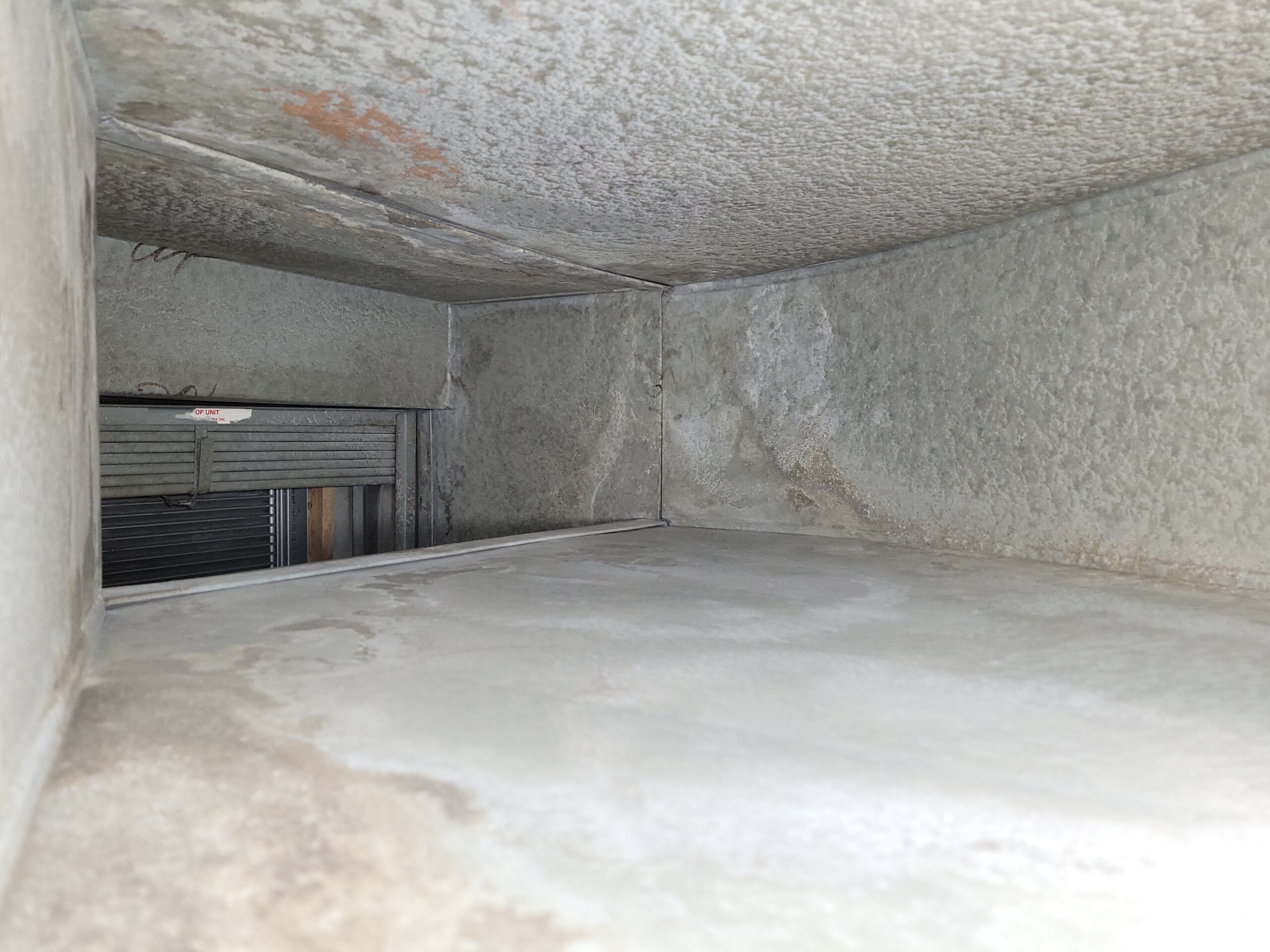
Downtime carries its own cost. Smart scheduling solves a chunk of it. Night work for restaurants, shoulder season work for office towers, or phased service for hospitals keeps revenue flowing. Budget for access improvements in year one, because once you have proper doors and hinges in place, future cleanings run faster and cheaper. A contractor who prices an initial deep clean higher and subsequent visits lower is being honest about that Advanced Environmental Service curve.
Pitfalls that raise risk when someone tries to save time
Shortcuts in commercial duct cleaning do not look dramatic in the moment. They add up quietly, then fail loudly. Watch for technicians who polish the hood canopy and ignore the plenum behind it. That area is where heat and vapor collide, and it is often the first to ignite. On roofs, fans with no hinge kits or cut wires force someone to hoist or tilt the fan in ways that stress the duct or disconnect. That is how you end up with rolled roofing saturated in grease, which is both a fire and slip hazard.
Inside HVAC ducts, aggressive brushing on old internal liners turns a stable surface into a shedding mess. If you see black tufts speckling supply diffusers after a cleaning, you own a problem you did not have yesterday. Sanitizers sprayed indiscriminately are another red flag. Some chemicals are not compatible with fiberglass linings, and none should substitute for physical removal of debris. Finally, access doors that are screwed on without proper frames or rated gaskets look fine on day one, then leak air and dust forever.
Special occupancies need special handling
Hospitals demand infection control. Negative air must not just exist, it must be proven with manometer readings and sealed containments. Project schedules revolve around patient care, and noise and vibration limits matter at night when people actually sleep. Expect to coordinate with facilities on isolation valves, HEPA carts, and terminal unit cleaning.
Food plants live under sanitation programs. Coordinators want dry cleaning methods wherever possible to prevent moisture in product zones. Tools must be stainless or food grade, and documentation ties to lot records. Where combustible dust is a factor, work plans include grounding, bonding, and ignition control, and sometimes a hot work permit even for seemingly cold processes.
High rises add verticality. Long shafts need rope access or specialty rigging, and you plan for debris capture on multiple floors. Data centers focus on keeping particulates away from sensitive equipment. Cleaning often aligns with filter change cycles and includes brush vacuuming of returns outside the white space, rather than inside the cold aisle.
DIY has a place, and a hard stop
In house teams can and should handle filter changes, wipe downs of exposed hood surfaces, and light coil cleaning with safe chemicals. Pull and wash hood filters nightly or on the schedule your cooking load requires. Replace return grille filters on time. Vacuum visible dryer lint at least weekly, and inspect terminations for blockages.
But when it comes to the inside of ducts, elbows, and vertical risers, commercial duct cleaning is not a mop and bucket job. You need negative air, trained hands, and the right chemistry for grease. You also need to ensure the fire and smoke dampers operate and close, which can require specialized knowledge and sometimes fire alarm tie ins. Know where your competency line sits, and bring the right people for the rest.
Choosing a contractor without guessing
Certifications are not magic, but they signal baseline competence. For kitchen exhaust, look for firms familiar with NFPA 96 and recognized by organizations such as IKECA. For HVAC, NADCA credentials indicate staff who understand negative pressure cleaning, coil hygiene, and proper documentation. Ask to see sample reports. Walk the roof or the mechanical room with them and see if they point out missing hinges, warped fan bases, or inaccessible elbows before you do.
References matter more than logos. Call a peer in your industry and ask how the contractor handled surprises. Grease soaked insulation, hidden tees, and welded shut access panels are where amateurs stall out. Pros bring solutions, not excuses.
Preparing your building for success
Most cleaning failures start before the crew arrives. Clear access paths, have keys or escorts ready for locked mechanical spaces, and plan for temporary shutdowns or menu adjustments. Replace damaged hood filters ahead of time. If your rooftop fans lack hinges or service switches, approve those upgrades before the cleaning night. In offices, let occupants know about noise and smells, and schedule after hours or floor by floor.
During the visit, have a responsible person available. Not to hover, but to answer questions and authorize reasonable deviations when the team discovers something unexpected. Afterward, debrief. Review photos, walk critical points, and write down the follow up items while everyone remembers them. If your report mentions damper deficiencies, do not let them sit. A fire damper that will not close turns smoke control into wishful thinking.
Why this discipline stays worth it
Fire does not announce itself with a calendar reminder. It rides along in daily operations, quietly stacking probability in your ducts. Regular, competent cleaning pulls that stack down. It also leaves you with a more efficient system, a better documented facility, and a calmer conversation with your insurer and your AHJ.
I have seen the difference. Two near identical kitchens, same menu, same rush. One had quarterly cleanings to bare metal, real access at each turn, and a roof fan that hinged like a textbook photo. The other had a shiny hood and a duct that had not seen daylight in a year. Both had a flare up at the grill. In the first, the fire made a noise and died. In the second, it found fuel and took the night shift with it.
If you only remember one thing, let it be this: ducts are part of your fire load. Treat them with the same seriousness you bring to sprinklers and extinguishers. Regular commercial duct cleaning is not a chore to put off, it is a control that pays rent every day it keeps heat moving and risk low. And when you finally do flip that omelet with a showy flourish, you will enjoy the applause a lot more knowing the duct above you is just moving air, not waiting its turn.